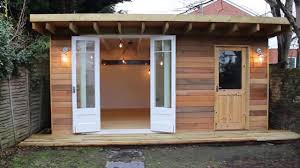
The safest place to smoke is outdoors, away from buildings and combustible materials. If an adult nevertheless plans a detached cigar shed, it should be approached as an occupied structure with serious secondhand-smoke, fire, ventilation, electrical, and carbon-monoxide concerns—not as a storage shed with a fan added.
This guide does not make indoor smoking safe. CDC guidance states that ventilation and air cleaning cannot eliminate secondhand-smoke exposure. Keep children, pets, nonsmokers, and anyone using medical oxygen away from the space, and check local smoking, building, fire, zoning, and occupancy rules before making plans.
Decide Whether the Project Is Appropriate
A cigar shed should never share space with gasoline, propane cylinders, paint, solvents, lawn equipment, fertilizer, sawdust, paper storage, or other combustible and hazardous materials. Converting a storage shed requires fully removing those items and correcting existing leaks, rot, unsafe wiring, blocked exits, and structural problems. Do not use a shed as sleeping accommodation, and do not treat a hobby outbuilding as a code-compliant dwelling. If guests will use the room, plan for safe occupancy, egress, accessibility, electrical capacity, and emergency response—not just seating and entertainment.Choose a Site and Check the Rules
Verify setbacks, easements, height and size limits, permits, homeowners-association restrictions, and whether the proposed use is allowed. Consider the distance from the house, property lines, vegetation, and neighboring doors and windows. Exhaust should not be directed toward people, adjacent properties, or building openings. The site needs positive drainage, a foundation designed for the structure and soil, and a safe walking path in wet or winter weather. Start with our shed foundation guide and confirm the final design locally.Plan the Structure Before the Interior
Floor loads and layout
Furniture, storage cabinets, and groups of people add loads that may exceed what a light storage-shed floor was designed to carry. A pool table is especially heavy and sensitive to floor movement. Have the framing evaluated when the intended occupancy or equipment differs from the original design.Doors and emergency exit
The door must open reliably from inside without a key, special tool, or hidden latch. Keep a continuous, well-lit path to the exit and never block it with chairs or storage. Depending on occupancy and local requirements, an additional emergency opening may be necessary.Walls, ceiling, and finishes
Correct water entry before adding insulation or finishes. Choose interior materials and furnishings with fire behavior, cleaning, and odor absorption in mind. Decorative acoustic foam, fabrics, and unfinished wood can add combustible surface area. Do not cover wiring, junction boxes, or structural damage.Understand the Limits of Ventilation
Ventilation may reduce visible smoke and odor, but it does not remove the health risks of indoor tobacco smoke or make exposure safe. The only reliable way to protect nonsmokers is a smoke-free space. If the building will still be used for smoking, a qualified HVAC professional should design dedicated outdoor-air intake and exhaust for the actual room volume, occupancy, climate, and equipment. The system should exhaust directly outdoors and avoid recirculating smoke into the room or another building. A ceiling fan only moves contaminated air around; it does not provide outdoor-air exchange. Do not select a fan from a generic cubic-feet-per-minute rule alone. Duct length, bends, filters, grilles, make-up air, wind, temperature, pressure, and fan performance all affect real airflow. Provide a deliberate path for replacement air so the exhaust system does not depressurize the room or interfere with fuel-burning equipment. Read our shed ventilation guide for general moisture and airflow concepts, then use professional design for an occupied smoking space.Do Not Use Ozone Generators or Ionizers
The U.S. Environmental Protection Agency warns against ozone generators in occupied spaces. Ozone can irritate and damage lungs, may create other irritating byproducts, and is generally ineffective at safe concentrations for removing indoor contaminants. Some ionizing air cleaners can also produce ozone. A portable particle air cleaner may reduce some airborne particles when properly sized and maintained, but it does not replace source control or ventilation and cannot make secondhand smoke safe. Avoid marketing claims that promise to “erase” smoke or protect occupants.Plan Heating and Electricity Safely
Permanent wiring, new circuits, receptacles, lighting, fans, and heating equipment should comply with local electrical rules and be installed or reviewed by a qualified professional. Use equipment listed for the location and keep cords, chargers, and power strips away from heat and traffic. Extension cords are temporary—not permanent building wiring. Fuel-burning heaters introduce combustion, fire, moisture, and carbon-monoxide hazards. Never use a generator, charcoal grill, or engine-powered equipment inside a shed. CPSC warns that generators and other gasoline engines can quickly create lethal carbon-monoxide levels in enclosed spaces, even with doors or windows open. Follow all manufacturer instructions and local rules for any heating equipment. Install required smoke and carbon-monoxide alarms in appropriate locations, test them regularly, and understand that alarms are a backup—not a substitute for safe equipment and ventilation.Reduce Smoking-Related Fire Risk
The U.S. Fire Administration says it is safer to smoke outside. Never smoke around medical oxygen, when drowsy or impaired, or near flammable liquids and gases. Use deep, sturdy, noncombustible ashtrays on stable, noncombustible surfaces.- Never leave a lit cigar or other smoking material unattended.
- Keep smoking materials away from upholstery, curtains, paper, mulch, and dried vegetation.
- Extinguish butts and ashes completely with water or sand before disposal.
- Do not empty warm ashes directly into ordinary trash.
- Keep matches and lighters secured away from children.
- Maintain the required fire extinguisher and know how and when to use it without delaying evacuation.
Control Moisture and Protect the Building
Occupied sheds generate moisture, and exhaust systems change indoor pressure. Inspect the roof, siding, windows, foundation, and door threshold before finishing the interior. Plan insulation, air sealing, and vapor control for the local climate so hidden condensation does not develop inside walls or ceilings. Keep intake and exhaust openings clear and inspect exterior terminations regularly. Our insulation and moisture-control planning and shed mold guide cover the building-envelope basics.Furniture and Storage
Leave generous clearance around heaters, electrical equipment, vents, and exits. Choose stable furniture that does not narrow the escape path. Store cigars according to humidor-manufacturer guidance, but do not try to humidify the entire shed to humidor conditions; excessive room humidity can cause condensation, mold, corrosion, and finish damage. Keep the room easy to inspect and clean. Use our shed organization guide to create storage zones without blocking safety equipment.Cigar Shed Planning Checklist
- Confirm that the use, location, size, and occupancy are allowed.
- Remove fuels, chemicals, lawn equipment, and combustible storage.
- Verify foundation, floor capacity, wall/roof condition, and anchoring.
- Provide reliable egress and keep the exit path clear.
- Have dedicated ventilation and make-up air professionally designed.
- Use safe electrical and heating systems; never run a generator or grill inside.
- Install and maintain required smoke and CO alarms.
- Avoid ozone generators and misleading air-cleaner claims.
- Use sturdy ashtrays and safe ash disposal practices.
- Keep children, pets, nonsmokers, and medical oxygen away from the space.
Build From Plans or Convert an Existing Shed?
A new structure makes it easier to plan loads, openings, electrical routes, insulation, and ventilation before finishes are installed. A conversion may save the shell but can require substantial correction work. Have the existing structure evaluated if its original design, condition, or foundation is uncertain. If you want to compare shed layouts before speaking with local professionals, see Ryan’s Shed Plans. This is a paid affiliate recommendation, so we may earn a commission if you buy through the link at no extra cost to you. These plans do not replace engineering, mechanical design, permits, or fire-safety requirements for an occupied smoking space.Sources and Safety References