
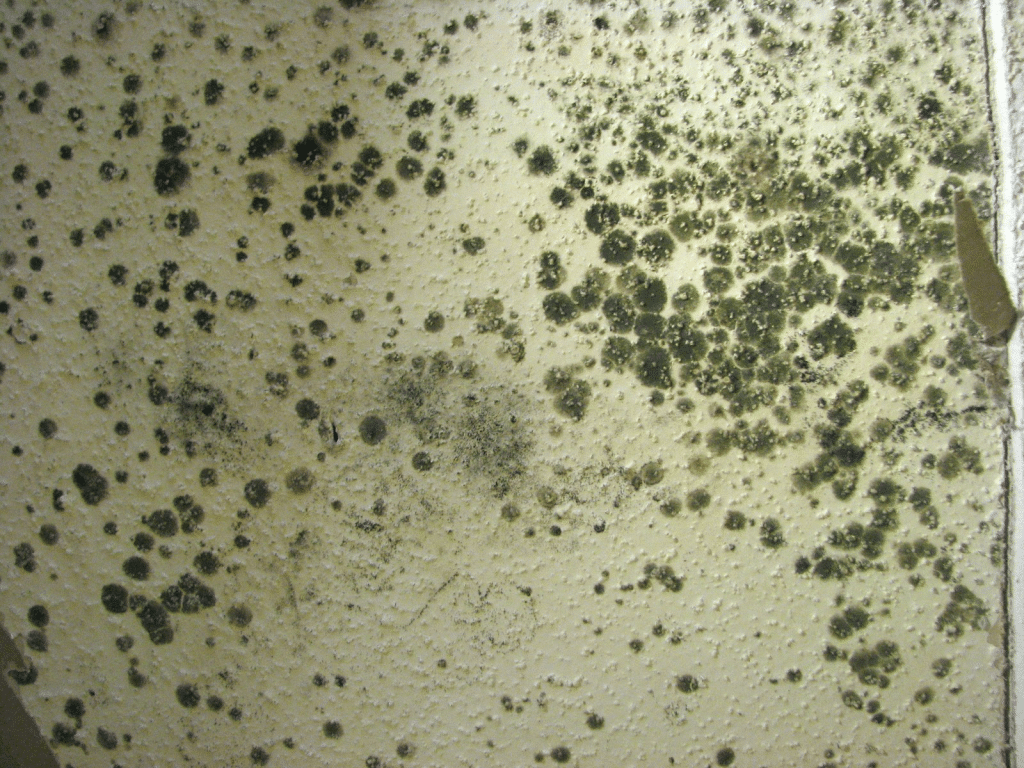
Mold in a shed is a moisture warning, not simply a surface stain. The durable fix is to find and stop the water source, dry the structure, remove contaminated material safely and confirm that the area stays dry. Spraying a product without correcting leaks, condensation, ground moisture or poor drainage allows growth to return.
This guide is for small, localized problems caused by clean water. Stop and seek qualified help when contamination is extensive, hidden inside assemblies, linked to sewage or floodwater, or affecting someone with asthma, chronic lung disease, allergies or a weakened immune system.
First: Decide Whether the Cleanup Is a DIY Job
The EPA says that an area smaller than about 10 square feet can often be handled by the owner using its cleanup guidance. Larger areas, extensive water damage, recurring hidden growth, contaminated HVAC equipment or uncertainty about structural damage call for an experienced mold-remediation professional.
Do not ask a person with immune suppression, underlying lung disease, significant mold allergy, asthma or chronic obstructive pulmonary disease to perform the cleanup. The CDC identifies these groups as more vulnerable to serious effects.
Leave the area and get help when:
- The source was sewage, floodwater or another contaminated source.
- The visible area is larger than roughly 10 square feet or growth is widespread.
- Walls, ceilings or floors feel soft, sag, delaminate or appear structurally damaged.
- Mold returns after the apparent source is fixed.
- You suspect hidden growth behind finished walls, insulation or flooring.
- Cleanup would disturb large amounts of dusty porous material.
- An occupant or worker develops breathing difficulty or other concerning symptoms.
1. Find and Stop the Moisture Source
Inspect during or immediately after rain if possible. Trace staining upward and outward rather than assuming the closest seam is the source. Check:
- Roofing, ridge, eaves, penetrations and flashing
- Gutters, downspouts, splashback and eroded soil
- Door and window head, sill and jamb flashing
- Siding laps, fasteners and clearances above grade
- Floor edges, skids, piers and ground vapor movement
- Plumbing, stored wet equipment and liquid containers
- Condensation on metal roofing, windows or uninsulated surfaces
- Blocked vents or an incomplete insulation/air-sealing strategy
Caulk alone is not a complete water-management system. Some joints are intended to drain or ventilate; sealing them blindly can trap water. Repair roofing, flashing, drainage and cladding according to their installation details. Use the roofing, guttering, siding and door and window guides to trace likely entry points.
2. Dry the Shed Before Cosmetic Repairs
Remove standing water and wet contents. Open doors and windows when outdoor conditions are drier, and use safe air movement and dehumidification when electricity and equipment can be used without shock or fire risk. Do not aim a fan across visible mold before containment and cleanup; it can spread particles into the rest of the shed.
Measure conditions instead of guessing. A basic hygrometer can reveal sustained high relative humidity, while a moisture meter can help compare wet and dry wood. Readings must be interpreted for the material and meter type. The goal is not a universal number for every climate; it is to correct the source and verify that materials dry and remain dry.
If ground moisture is entering, review the shed foundation and gravel-base guides. For condensation and air movement, use the ventilation guide. A powered fan or dehumidifier can help only when it is appropriate for the enclosure, climate and electrical installation; it does not replace leak or drainage repair.
3. Prepare for a Small Cleanup
Keep children, pets and unprotected people away. Remove clean belongings from the work area without dragging them through contamination. Minimize dust and avoid dry brushing or aggressive sanding.
For small cleanup work, CDC guidance calls for at least a NIOSH Approved N95 respirator, protective gloves and goggles that keep out dust and small particles. Wear clothing that covers the skin and follow the respirator and product instructions. An N95 filters particles; it does not protect against chemical vapors. If the job or product requires greater protection, use a qualified professional.
Never mix bleach with ammonia, acids, detergents or other cleaners. Dangerous gases can form. Provide fresh air whenever using a cleaning product and follow its label.
4. Clean or Remove Materials Based on What They Are
Hard, nonporous surfaces
EPA guidance recommends scrubbing mold from hard surfaces with detergent and water, then drying completely. Use only products intended for the surface and follow label directions.
Wood framing and sheathing
Wood is porous but may sometimes be cleaned when growth is limited and the material remains sound. Use a method appropriate to the extent and surface, limit dust and dry the wood completely. Staining can remain after growth is removed; appearance alone does not prove active mold. If wood is soft, delaminated or decayed, have its structural condition evaluated and replace it as required.
Drywall, insulation, carpet and other absorbent materials
Porous material can hold growth below the surface and may be difficult or impossible to clean fully. EPA guidance notes that moldy absorbent materials may need disposal. Bag or wrap removed material before carrying it through clean areas, and follow local disposal requirements.
Should You Use Bleach?
Bleach is not the default answer for every shed surface. The EPA does not recommend biocides such as chlorine bleach as a routine mold-cleanup practice. Dead mold can still cause allergic reactions, so merely “killing spores” is not enough; contamination must be removed and the moisture problem corrected.
There are situations in which a public-health or product-specific protocol may call for a disinfectant. If bleach is used, follow the current product label and applicable guidance—never invent a stronger mixture based on the amount of visible growth. Ventilate to the outdoors, use the specified protective equipment and never mix it with any other cleaner.
5. Clean Up Without Spreading Contamination
- Correct or isolate the moisture source.
- Protect people and restrict the work area.
- Remove unsalvageable porous material with minimal disturbance.
- Clean salvageable hard surfaces using the selected method.
- Collect debris and disposable protective material before leaving the area.
- Clean tools and nearby settled dust using appropriate methods.
- Dry the assembly completely before closing, painting or caulking it.
- Reinspect after rain and during the next humid-weather period.
Do not paint or caulk over visible growth. EPA warns that coatings applied over moldy surfaces are likely to peel, and concealing the area makes recurrence harder to detect.
6. Prevent Mold From Returning
- Keep bulk water out: maintain roofing, flashing, siding and openings.
- Move runoff away: keep gutters clear and maintain positive drainage around the base.
- Separate wood from soil: maintain the foundation and required clearances.
- Store dry items: let mowers, garden tools and fabrics dry before closing the shed.
- Allow air paths: do not pack boxes tightly against cold exterior walls or block vents.
- Coordinate insulation and ventilation: an incomplete assembly can create hidden condensation. See the shed insulation guide.
- Use electricity safely: permanent fans or dehumidifiers need a suitable, code-compliant electrical supply. Extension cords are not permanent wiring.
- Inspect seasonally: look after wind-driven rain, snowmelt and humid periods, including behind shelving and stored goods.
Post-Cleanup Check
A successful cleanup means the water source is corrected, damaged material is removed or properly cleaned, surfaces are dry, musty odor is gone and new growth does not appear. If odor or growth returns, stop treating the symptom and investigate hidden moisture or concealed material.
When planning a new shed, place moisture control, drainage, ventilation and maintainable access into the design from the beginning. Review Ryan’s Shed Plans as one paid affiliate option, then confirm that any chosen plan can be adapted to your site, climate and local requirements.