A well-planned backyard greenhouse can extend your growing season, protect tender plants, and give you a comfortable place to start seeds and work with plants. The best design is not simply the largest one you can fit. It is the structure that matches your climate, available sunlight, plants, budget, and willingness to manage heat and ventilation.
This guide explains how to plan a hobby greenhouse, choose a style and foundation, manage water and airflow, and avoid the mistakes that make small greenhouses difficult to use.
Start With the Way You Will Use the Greenhouse
Before choosing a kit or drawing plans, decide what the greenhouse must do. Starting vegetable seedlings in spring requires less space and heat than keeping tropical plants through winter. Growing directly in the ground creates different drainage and layout needs than using benches and containers.
Make a simple list of the plants you expect to grow, the months you want to use the structure, and the equipment you need inside. Include room for containers, soil, tools, a work surface, and a clear path. A center aisle should be wide enough for the person and equipment that will use it; if you expect to bring in a wheelbarrow, plan for that before setting the greenhouse width.
Choose the Site Before the Structure
Look for a level, well-drained location with convenient access to water and electricity if they will be needed. Observe the site at different times of day and during more than one season. Nearby buildings and deciduous trees may cast very different shadows in winter than they do in summer.
Also consider wind exposure, snow shedding, access for construction, and a route for carrying soil and plants. Avoid a low spot where water collects around the perimeter. Direct roof runoff away from the foundation so it does not wash out the base or create a muddy entrance.
Local zoning, setback, homeowners-association, utility, and permit rules vary. Check with the authority having jurisdiction before ordering a kit or preparing a permanent base. Never assume that a small kit is automatically exempt.
Pick a Greenhouse Style
Freestanding greenhouse
A freestanding greenhouse gives you access around all sides and lets you place benches along both walls. It usually receives more even light than an attached design, but it also has more exterior surface area through which heat can escape.
Lean-to greenhouse
A lean-to greenhouse shares a wall with another building. It can be convenient to reach and may simplify access to utilities, but the existing wall and roof can reduce light. Flashing, drainage, snow loads, and attachment details need careful planning. See our lean-to construction guide for the basic structural considerations.
Greenhouse-shed combination
A combination design separates a bright growing area from dry tool storage. That can be more practical than placing fertilizers, power tools, and moisture-sensitive supplies in the humid growing space. If storage is part of the plan, use the ideas in our shed organization guide to keep the aisle and ventilation openings clear.
Compare Frames and Glazing
Wood is easy to cut and can visually match a home or shed, but it must be detailed and maintained for a damp environment. Galvanized steel and aluminum resist moisture and are common in kits. Whatever frame you choose must be rated for local wind and snow loads and installed according to the manufacturer or engineered plan.
Greenhouse coverings include glass, rigid polycarbonate panels, fiberglass products, and greenhouse-grade polyethylene film. Compare initial price, expected service life, light transmission, impact resistance, insulation, replacement cost, and warranty. Ordinary construction plastic is not a long-term substitute for greenhouse film designed for ultraviolet exposure.
Build a Stable, Well-Drained Base
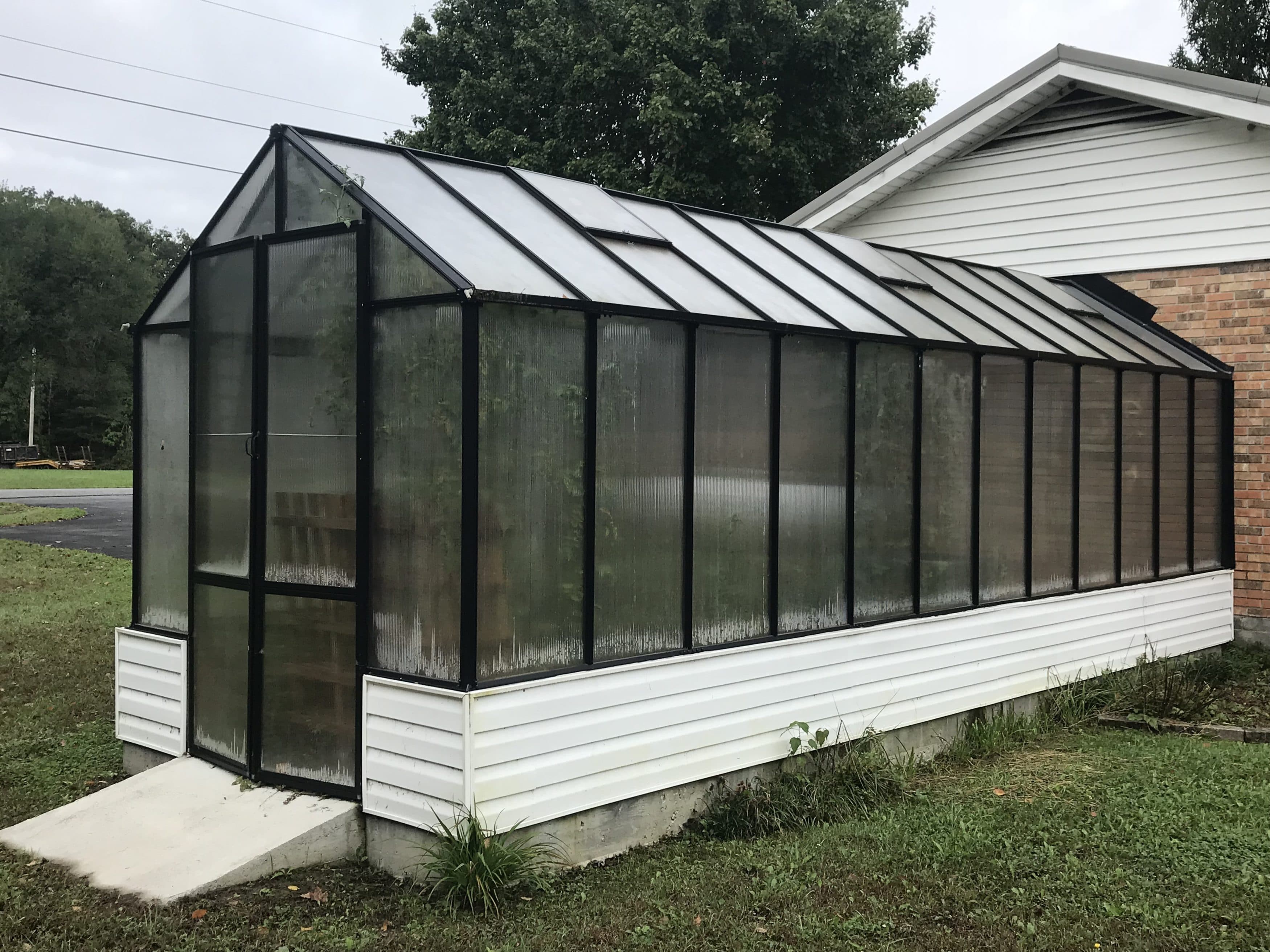
The foundation or anchoring system must resist uplift, settling, and the weight of the completed structure. Follow the greenhouse manufacturer’s requirements and local code. Permanent greenhouses may require concrete footings or a frost-protected foundation, while some small kits use an anchored perimeter base.
A full concrete slab can provide a clean, durable work surface, but it must be planned for drainage and should not trap water against framing. Compacted gravel can drain well under benches and is easier to modify, although edging and periodic maintenance may be needed. A wood floor is not automatically wrong, but it needs pressure-treated or naturally durable materials, ventilation, and protection from constant wetting.
For more detail, read our shed foundation guide. Greenhouse loads and anchoring requirements can differ from those of a conventional shed, so use the specifications for the actual structure you are building.
Plan Ventilation Before Heating
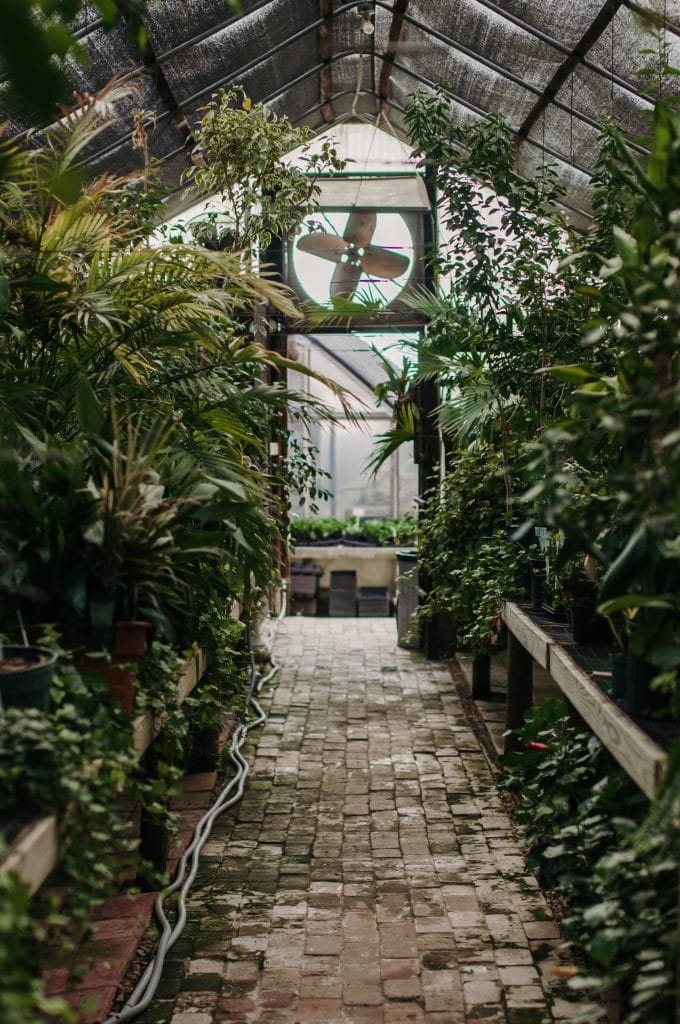
A greenhouse can overheat on a bright day even when outdoor air feels cool. Ventilation removes heat and excess moisture and brings in fresh air. Small structures may use roof and side vents, while larger or tightly enclosed greenhouses may need intake shutters and exhaust fans. Circulation fans help reduce stagnant pockets, but they do not replace the need to exchange inside air with outside air.
Automatic vent openers are useful when you cannot monitor conditions throughout the day. Powered systems should be sized from the greenhouse volume, resistance through louvers or screens, and the fan manufacturer’s rated performance—not from a generic fan-diameter chart. Oklahoma State University Extension advises that both small and large greenhouses need good circulation and exhaust capacity and explains how roof vents, side vents, and controls work together.
Shade cloth may also be needed in summer so the ventilation system is not overwhelmed. Select shade density for the crops being grown rather than assuming one percentage suits every plant.
Heat and Electricity Safely
If you want winter production, calculate heat loss for the structure and your local design temperatures before choosing equipment. Use heating equipment specifically approved for the intended location and keep combustible material clear of it. Fuel-burning heaters can create fire, moisture, and combustion-gas hazards; installation and ventilation should follow the manufacturer, code, and qualified professional guidance.
Greenhouse electricity should be designed for wet or damp conditions. Use suitable outdoor-rated equipment and required ground-fault protection. Permanent wiring, new circuits, and hard-wired heaters or fans should be handled under local electrical rules. Our shed lighting guide explains the main power and fixture choices.
Water, Drainage, and Humidity
Convenient water saves time, but more moisture is not always better. Group plants by their needs, avoid leaving floors constantly wet, and provide drainage away from the structure. Drip irrigation can reduce wet foliage and wasted water compared with careless overhead watering.
Use a thermometer and hygrometer to learn how the greenhouse behaves. Condensation, algae, and persistent leaf wetness are signs that watering, spacing, heat, or ventilation may need adjustment. If you collect roof runoff, use a covered, stable container and a screened inlet, and follow local rules. Our shed guttering guide covers runoff control and rainwater-routing basics.
Create an Efficient Interior
Benches should be narrow enough to reach across without leaning on plants. Use moisture-resistant materials and leave space beneath or between benches for air circulation and cleaning. Keep tall plants from shading shorter ones, and do not block intake vents with shelving or supplies.
Add lighting only when the crop and season require it. Work lights help you see, while plant-production lighting must be selected for plant response, coverage, mounting height, heat, and operating cost. A bright-looking fixture is not necessarily an effective grow light.
Greenhouse Planning Checklist
- Define the plants, seasons, and work you expect the greenhouse to support.
- Check sunlight, drainage, wind, snow, access, setbacks, permits, and utility locations.
- Choose a frame and covering rated for your local conditions.
- Follow the specified foundation and anchoring details.
- Plan ventilation, shading, water, drainage, and safe power before construction.
- Leave comfortable aisle and bench space.
- Budget for replacement coverings, heating, cooling, and routine maintenance.
Should You Build From Plans or Buy a Kit?
A kit can simplify component selection and assembly, but only if its wind and snow ratings, anchoring system, ventilation options, and replacement parts match your location. Building from plans gives you more control over size, materials, storage, and appearance, but it also places more responsibility on you to verify structural details and code requirements.
If you want to compare buildable shed and outbuilding designs before committing to a layout, see Ryan’s Shed Plans. This is an affiliate link, which means we may earn a commission if you purchase through it at no extra cost to you. Use any plan as a starting point and adapt it only with appropriate local structural and permit guidance.
Final Thoughts
A useful greenhouse begins with a realistic growing plan and a suitable site. Get the base and anchoring right, provide a deliberate path for heat and moisture to escape, and arrange the interior around the gardener’s reach and movement. Those choices matter more than decorative extras and will make the greenhouse easier to manage for years.