
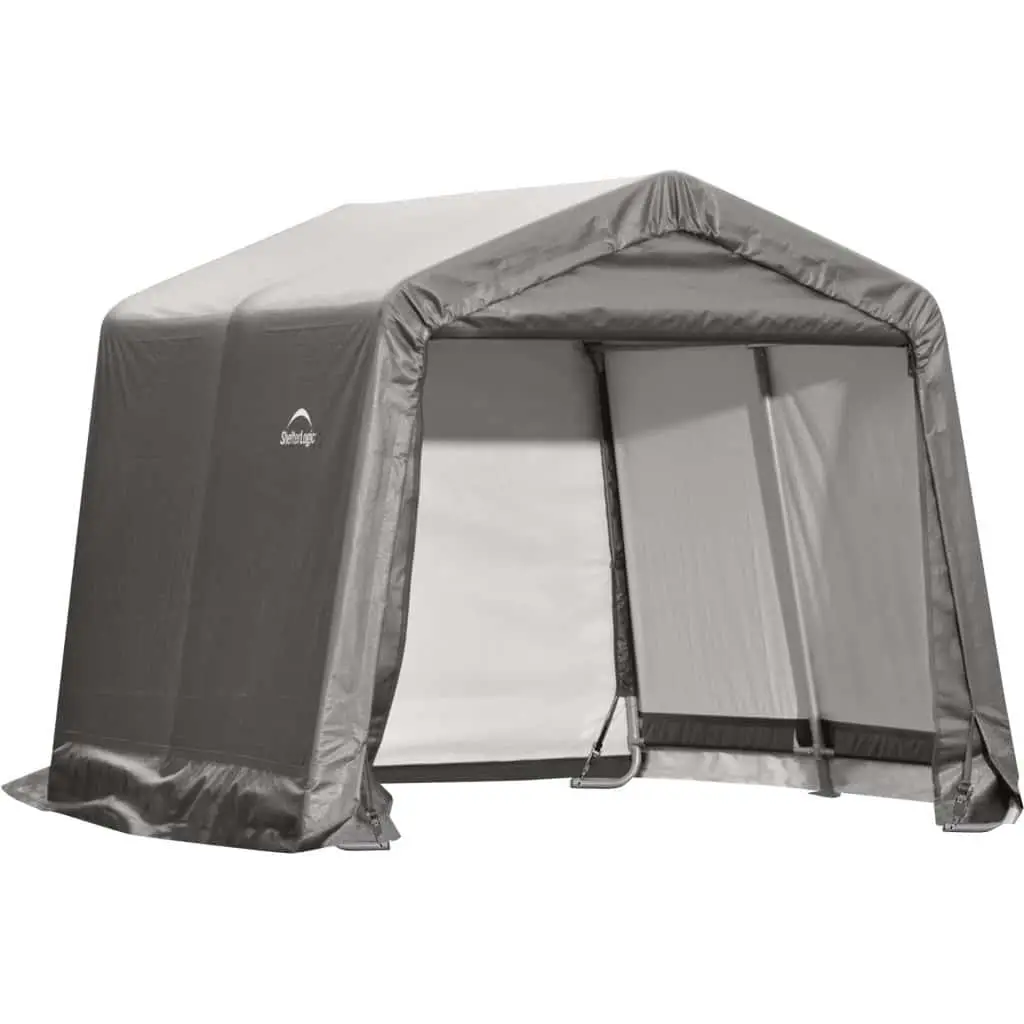
ShelterLogic Shed-in-a-Box is worth comparing when you need covered storage, but choose the exact model around your site and what you will store—not a blanket promise of all-weather protection.
This is a buying guide, not a hands-on durability test. Product features, included anchors and installation requirements vary. Check the current model manual before ordering.
Affiliate disclosure: we may earn a commission if you buy through affiliate links on this page.
Start by listing what needs cover and what needs a more secure, permanent building. A portable shelter may suit some storage needs, but check access, site exposure, maintenance demands and permitted use before choosing one.
If you prefer to build a permanent shed, compare that work with a kit using our shed construction guide. A fabric shelter is a different option, not a substitute for every kind of shed.
Who Is Shelterlogic?
ShelterLogic sells several shelter and storage product ranges. This guide focuses on what to check when comparing a Shed-in-a-Box. Treat other ranges, such as AccelaFrame products or rigid sheds, as separate designs with their own specifications.
ShelterLogic Frame, Cover and Hardware

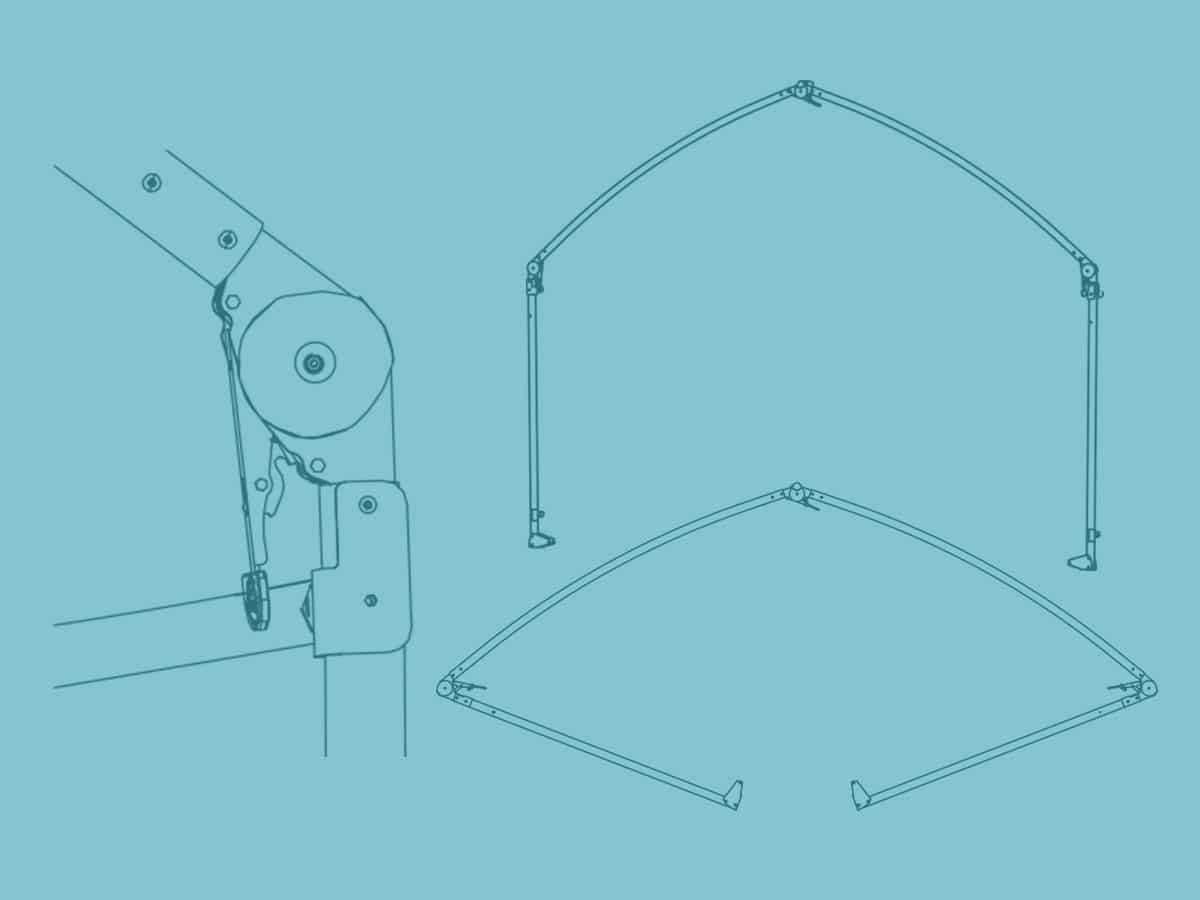
Check the Frame Type
Do not assume a Shed-in-a-Box uses an AccelaFrame folding system. Check the frame type and parts list for the exact product number. Different ShelterLogic ranges use different components and assembly methods; a feature shown for another range may not be included.

The Fabric
Cover materials and specifications vary by model. Weather-resistant fabric is not a guarantee against storms or accumulated snow. Model 70423’s manual calls for a tight cover, clearing snow and debris, and removing the cover before severe weather. Follow your own model’s manual; do not enter an unstable shelter to clear its roof.
Steel Stabilizers
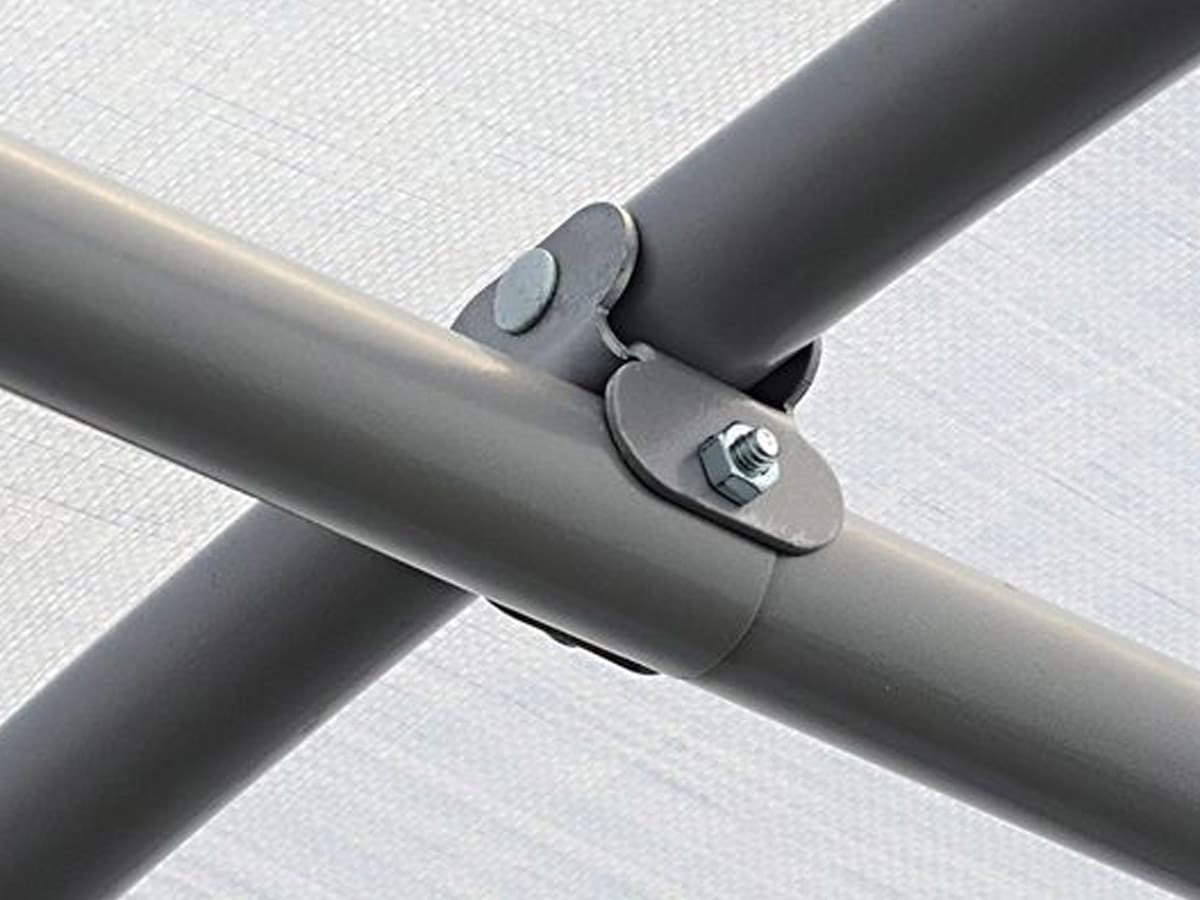
Use the frame components and fasteners specified for your model. Check the parts list before starting, follow the assembly sequence and inspect connections as directed. Frame connections are not a substitute for anchoring the shelter.
Cross Rail Connections
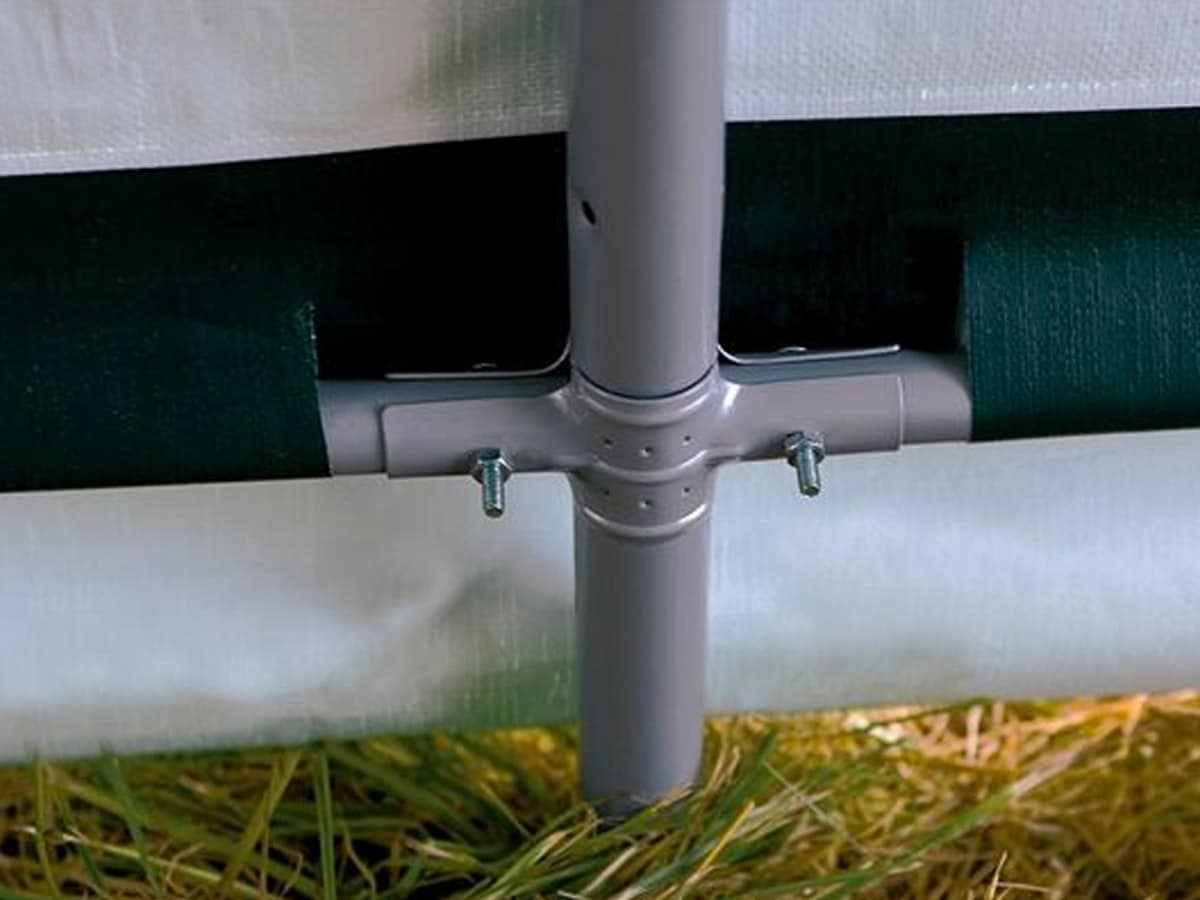
Check the placement and fastening of rails against the model’s diagrams. Rails form part of the shelter frame; they do not create a foundation or eliminate the need for stable site preparation and proper anchors.
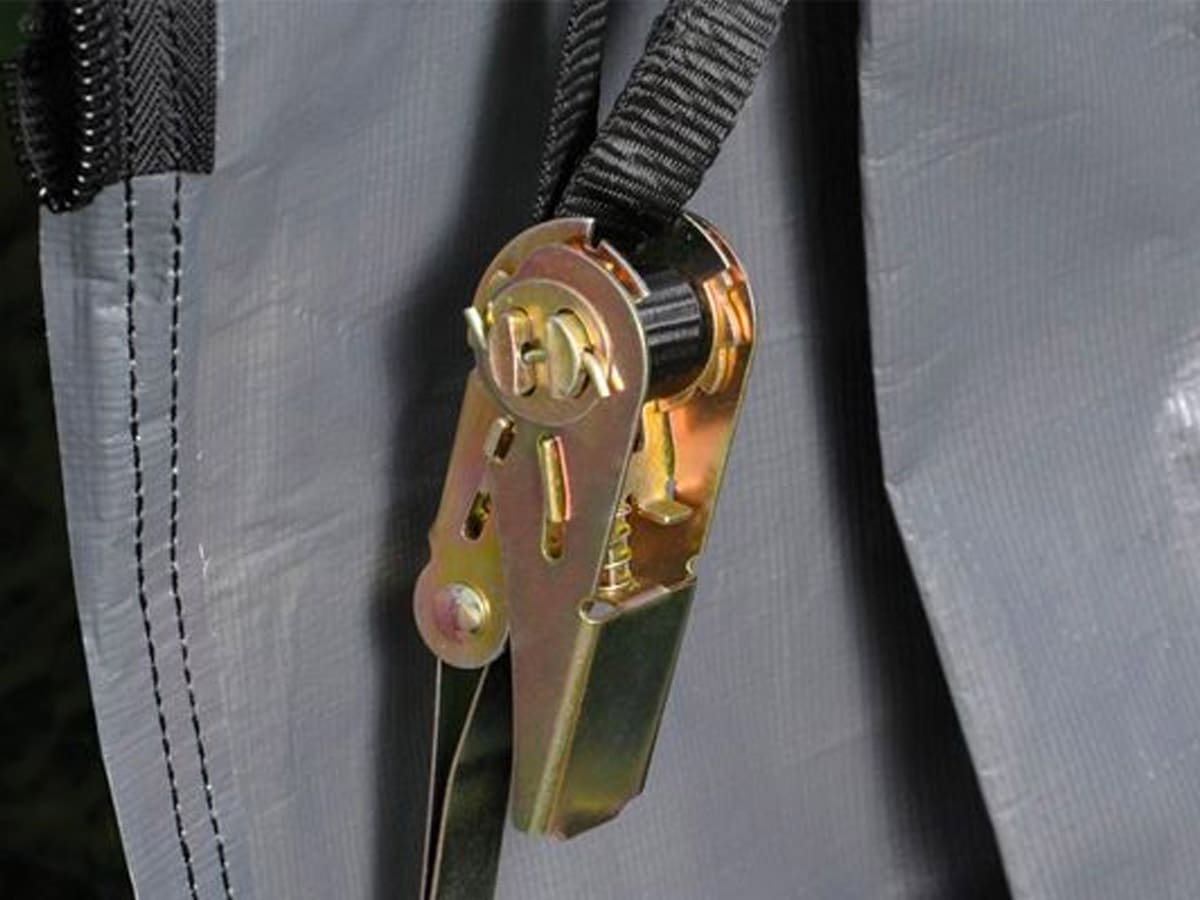
The Ratchet
Where a model uses ratchets or tensioning straps, follow its tightening and inspection instructions. Check cover tension during routine care. Do not substitute an improvised attachment or assume every model uses the same system.
What Size Do You Need?
Measure the equipment you need to store, including handles and attachments, then allow room to enter and retrieve it. Compare usable floor area, door-opening dimensions and headroom—not just the advertised outer dimensions. Download the instructions for the exact product number; different sizes and roof shapes do not necessarily use the same parts or manual.

The Peak Shed
For a peak-roof model, compare door clearance and usable height across the full width. Confirm the exact dimensions, anchoring instructions and intended use. Roof shape alone does not establish a wind or snow rating.
The Round Top Shed
For a round-roof model, check how the curved sides affect usable space for tall equipment and shelving. Compare the actual opening and interior dimensions, and verify weather limitations in that model’s documentation.
What comes In The Package?
Compare the product listing with its parts checklist before ordering. Confirm which frame, cover, end panels and anchors are included, and budget separately for tools, site preparation and any model-appropriate anchoring hardware. “Portable” does not mean safe to leave unsecured. See the manufacturer’s anchor guide and the instructions for your model.
How Hard Is Installation?
Plan the site and anchoring before assembly. Assemble at the intended location and follow the manufacturer’s sequence; do not move an assembled shelter unless its instructions explain a safe method. Check clearances, drainage and buried utilities before installing anchors. A general shed anchoring guide does not replace the fabric shelter’s own instructions.
Shelterlogic Shed In A Box Review
Video Installation
Use a manufacturer installation video only when it matches your model and manual revision. A video can help you understand the sequence, but it does not replace the parts list, anchoring details or safety instructions. Do not treat the video’s running time as the full installation time.
Shelterlogic Shed In A Box Review
Conclusion
A fabric-covered shelter and a permanent framed shed solve different storage needs. Before buying, compare site exposure, anchoring requirements, replacement-cover availability, usable space and the exact warranty. Do not assume a fabric shelter offers the storm resistance or security you need for valuable equipment.
Read the model-specific safety instructions
The ShelterLogic 70423 manual identifies that model as a temporary structure. It prohibits flames and flammable-liquid storage in or around the shelter and warns against hanging objects from roof members. Review the instructions supplied with your exact model before deciding what to store.
Allow time for site preparation, parts checking, assembly and anchoring. Arrange the helpers and tools specified by the manual, and inspect and maintain the shelter after installation.
Considering a permanent wood shed instead?
Start with our shed construction guide. You can also view Ryan’s Shed Plans (affiliate link) as a paid-plan option. Check the designs and current offer before buying; plans still need to suit your site and local requirements.
